THE KURATOMI SPEEDMASTER 1969 Apollo 11 — A JAPANESE STORY
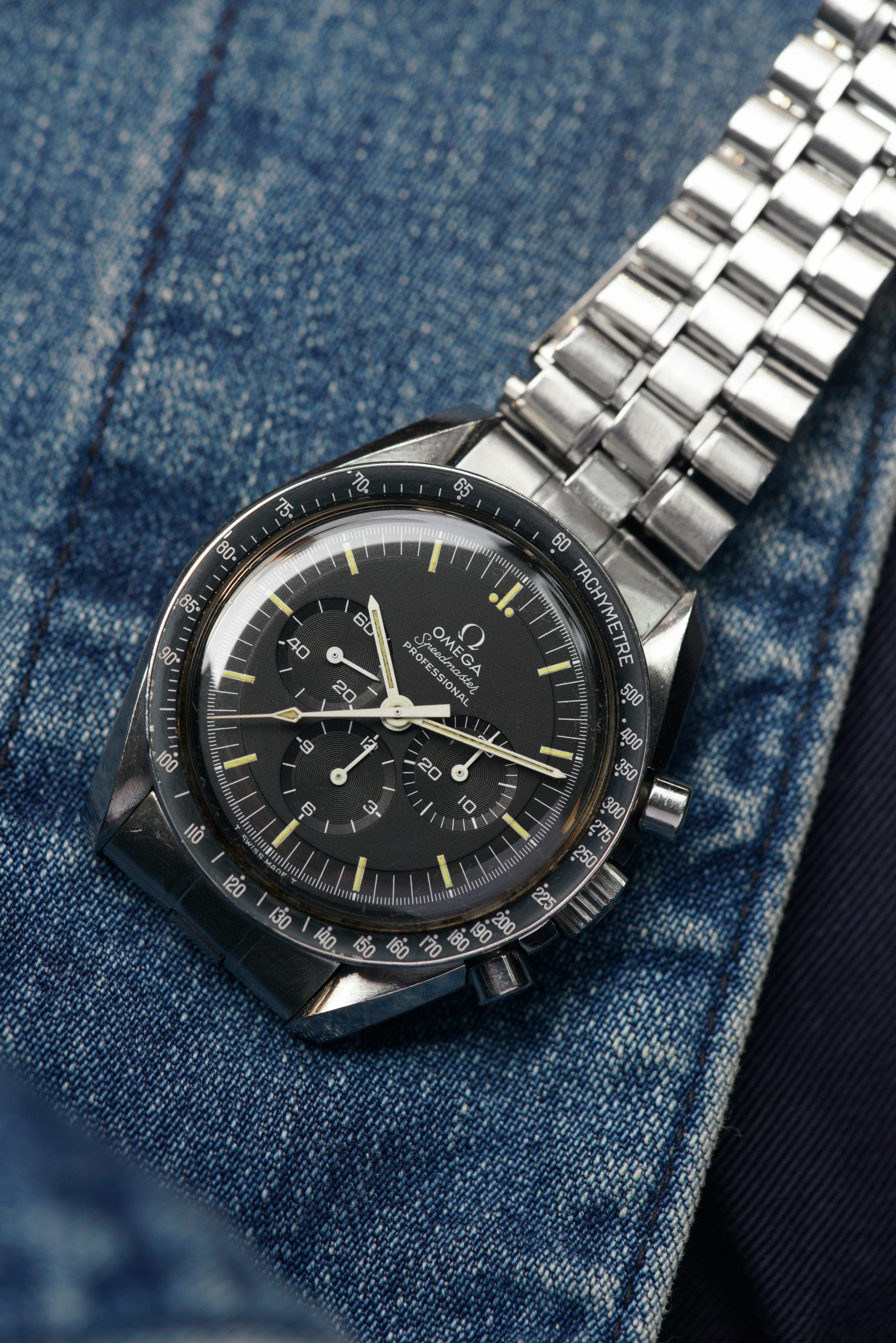
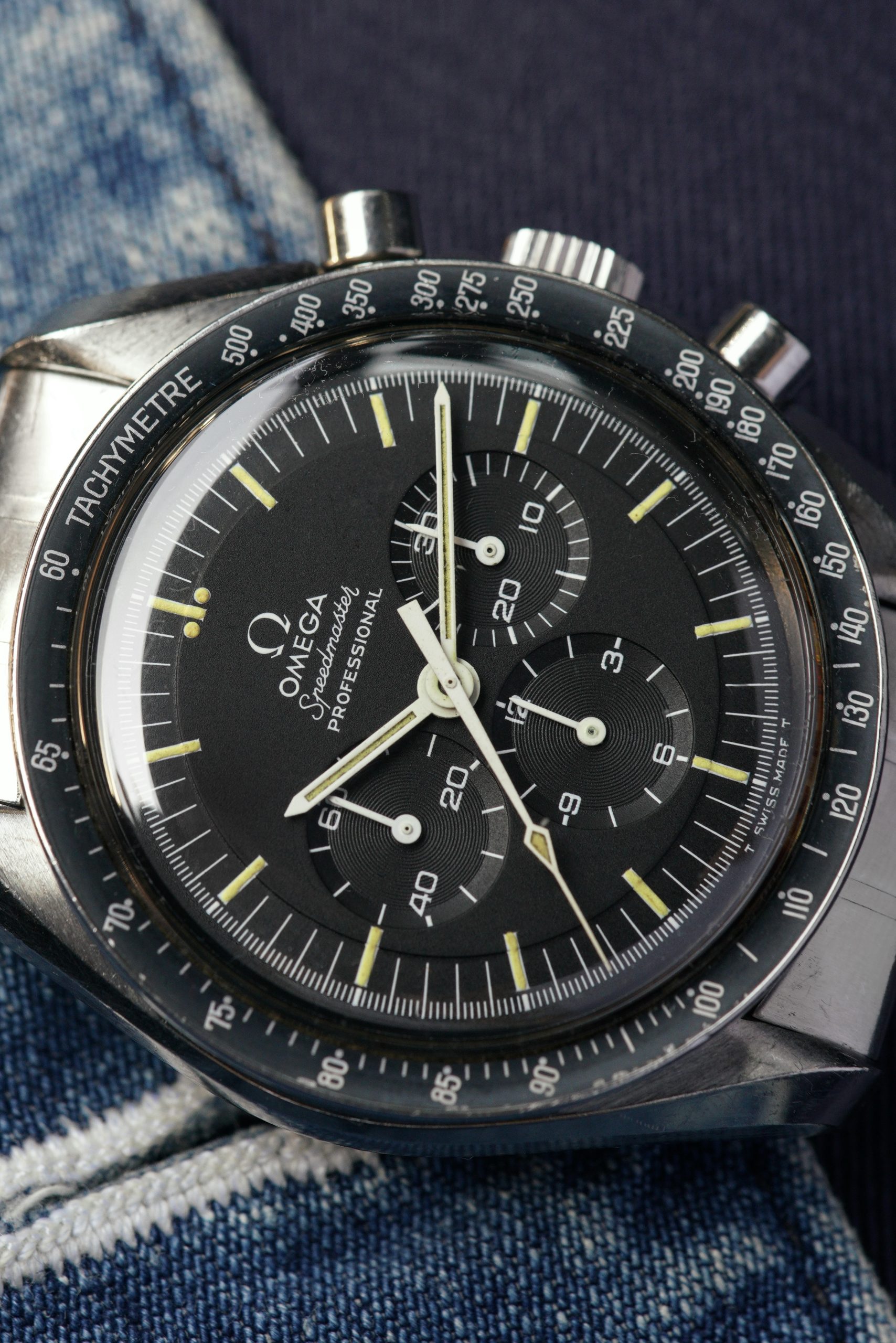
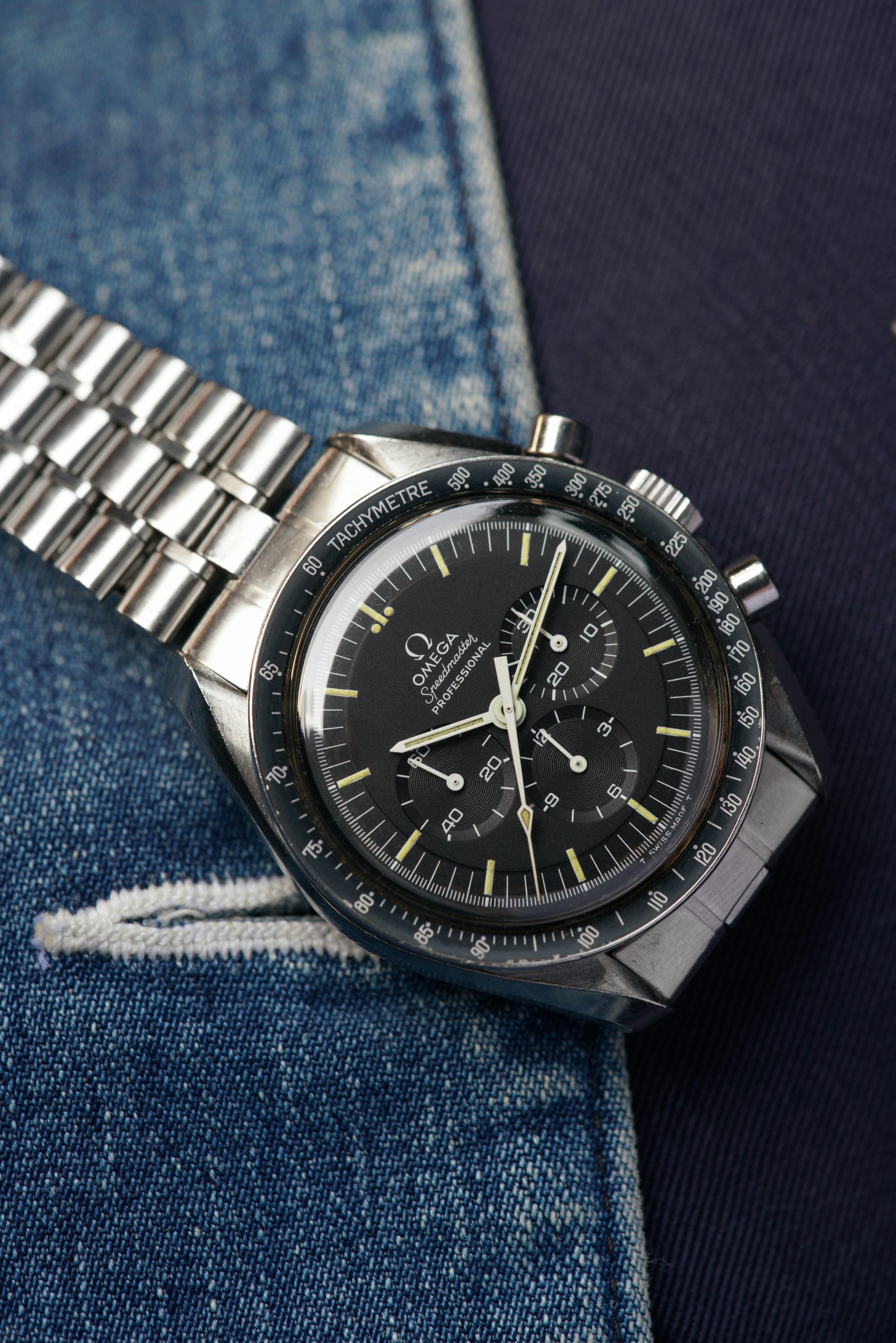
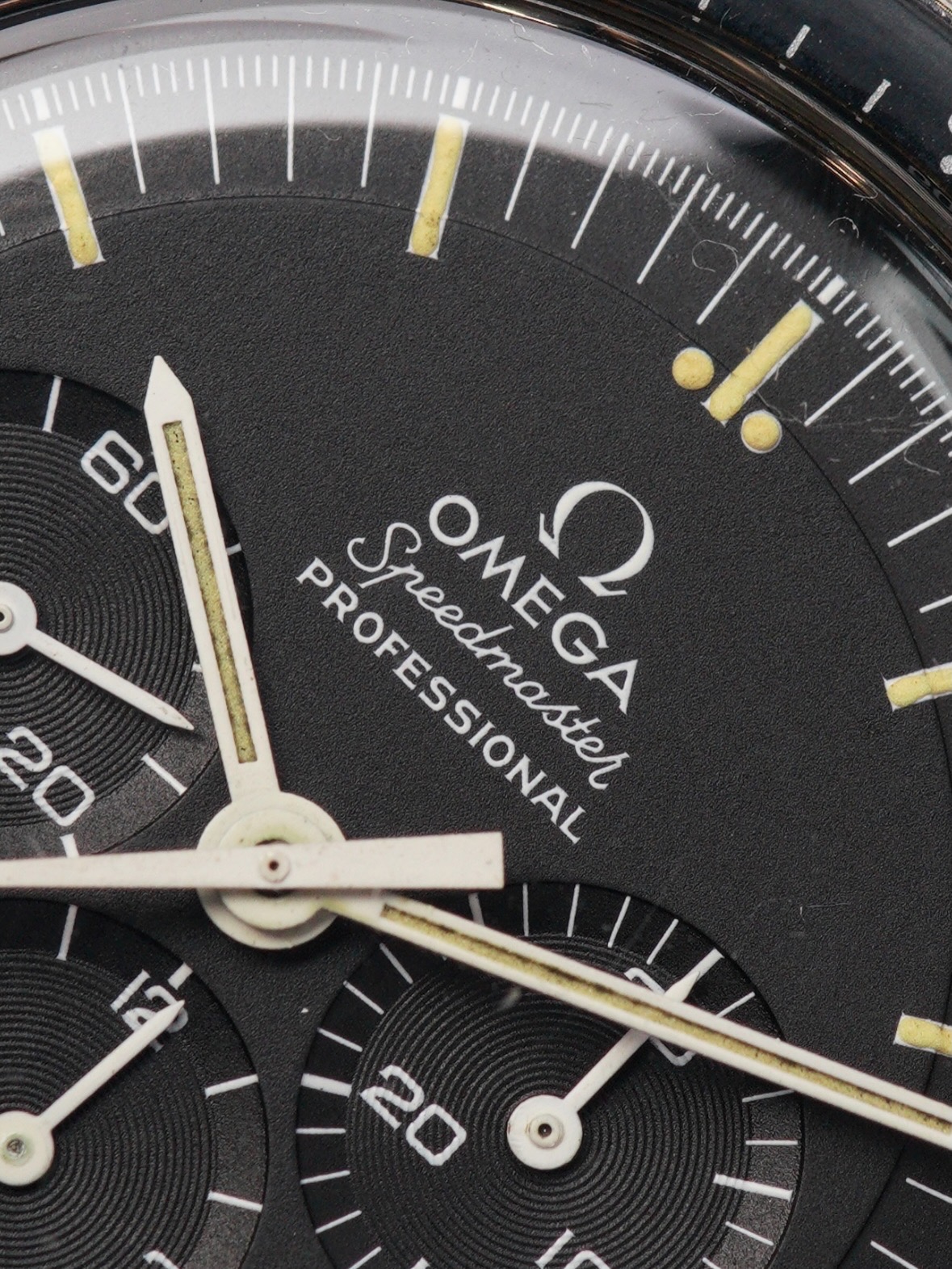
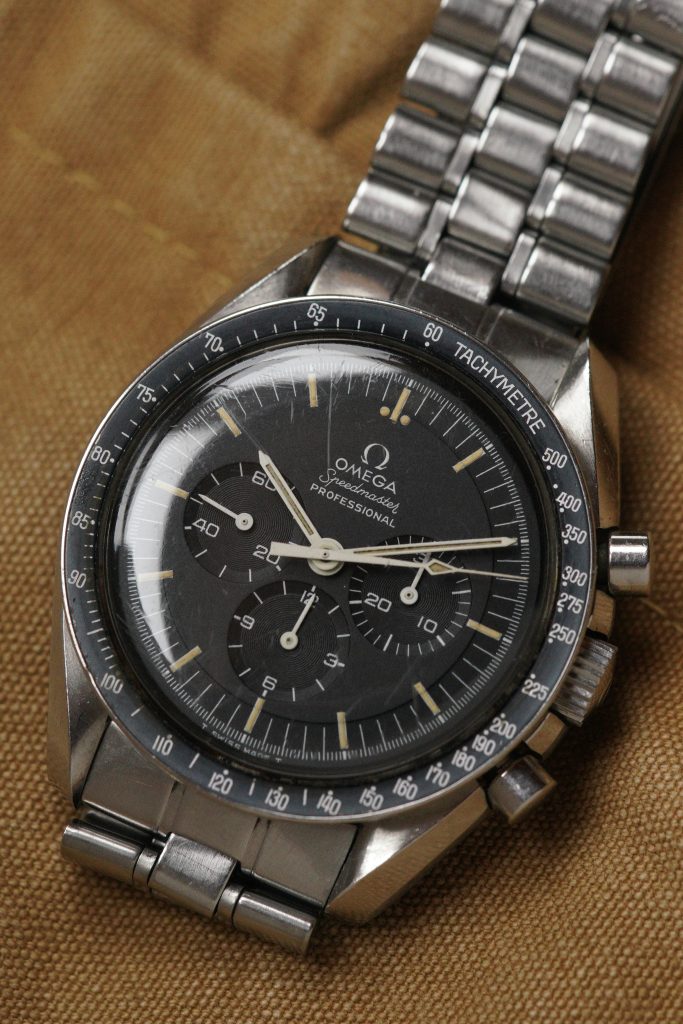
As I mentioned on the The Master of Speed Club broadcast channel, today I am presenting for sale a very special example: an Omega Speedmaster Professional ref. 145.022-69 “Straight Writing” Apollo XI 1969.
But this is not simply a rare Speedmaster. It is a watch with a special dedication and, above all, a story to tell.
The watch is in truly exceptional condition.
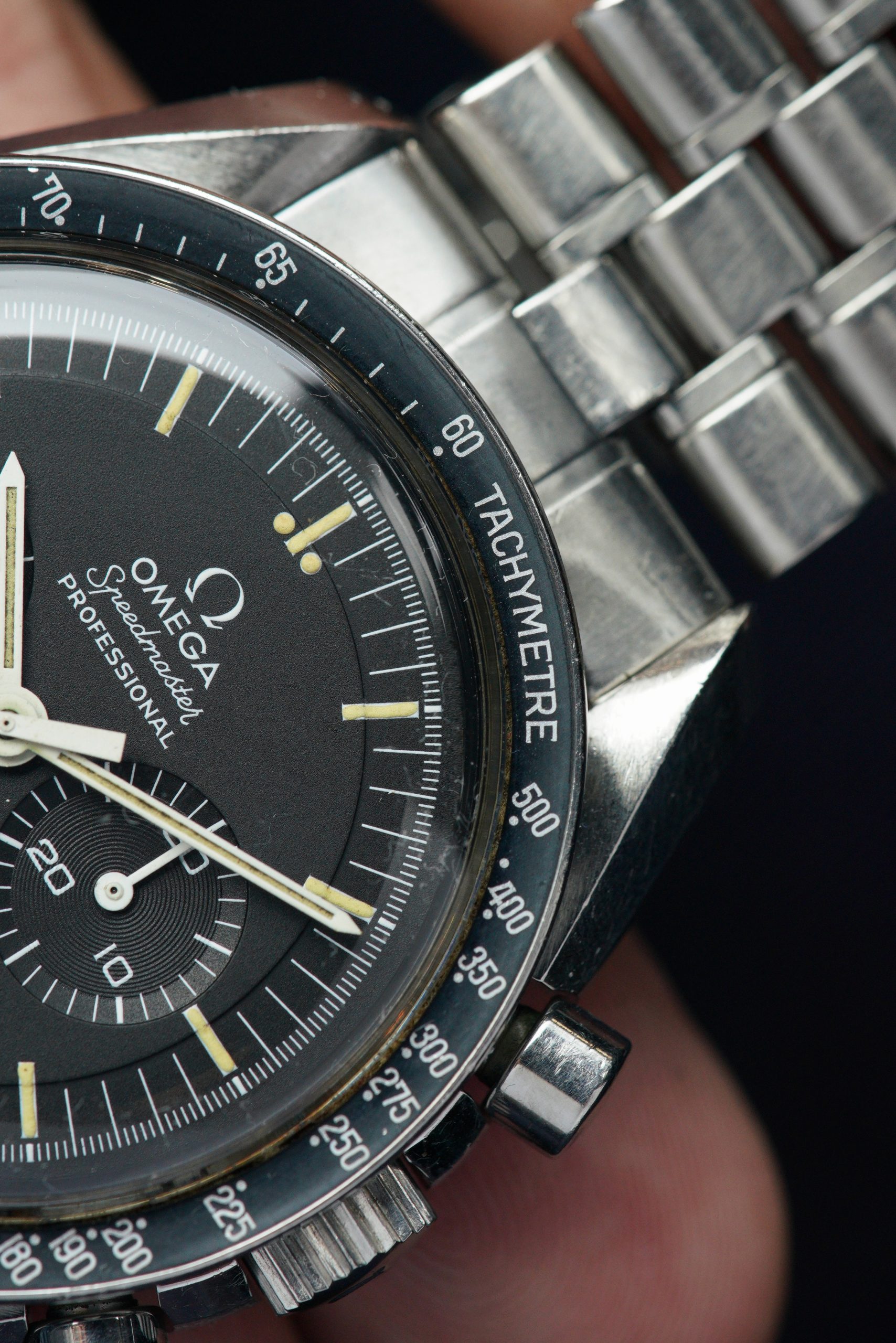
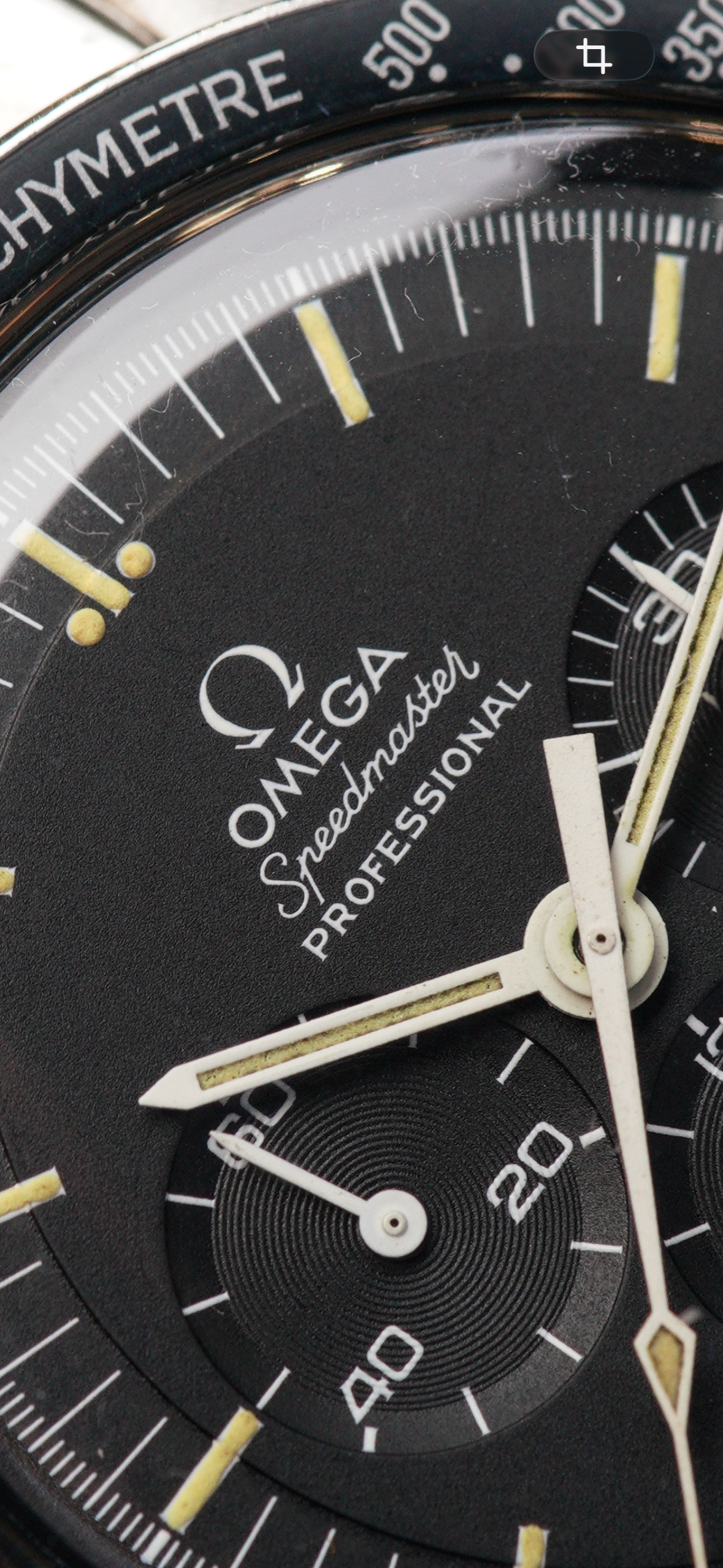
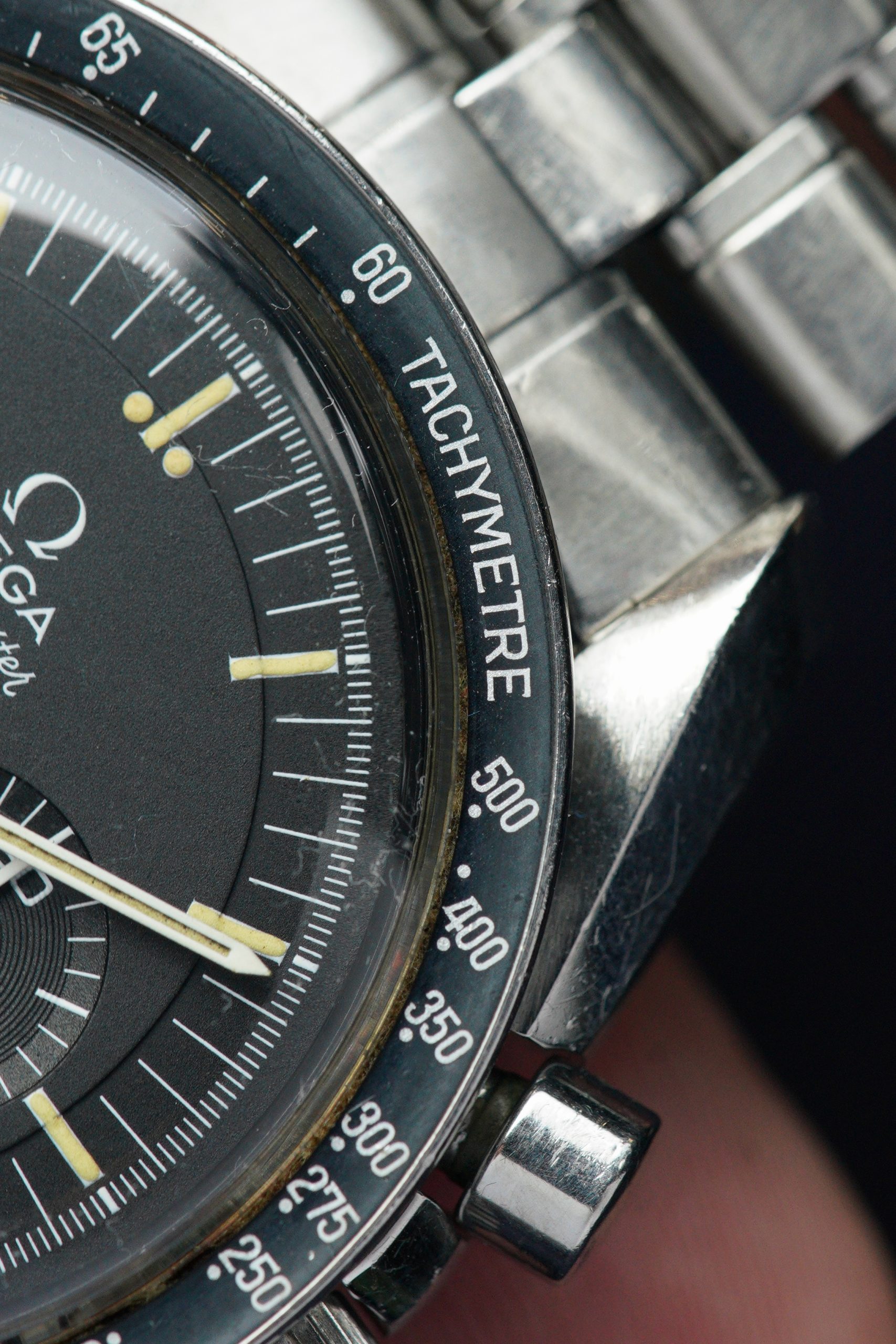
The original bezel is slightly worn and beautifully faded, turning to a particular petrol blue tone. The tritium hour markers have developed, together with the hands, a warm and perfectly even patina, while the dial is in phenomenal condition.
The case still retains its original finishes: it has never been polished. There are some normal signs of age, but this untouched condition allows us to still appreciate its original factory finish today.
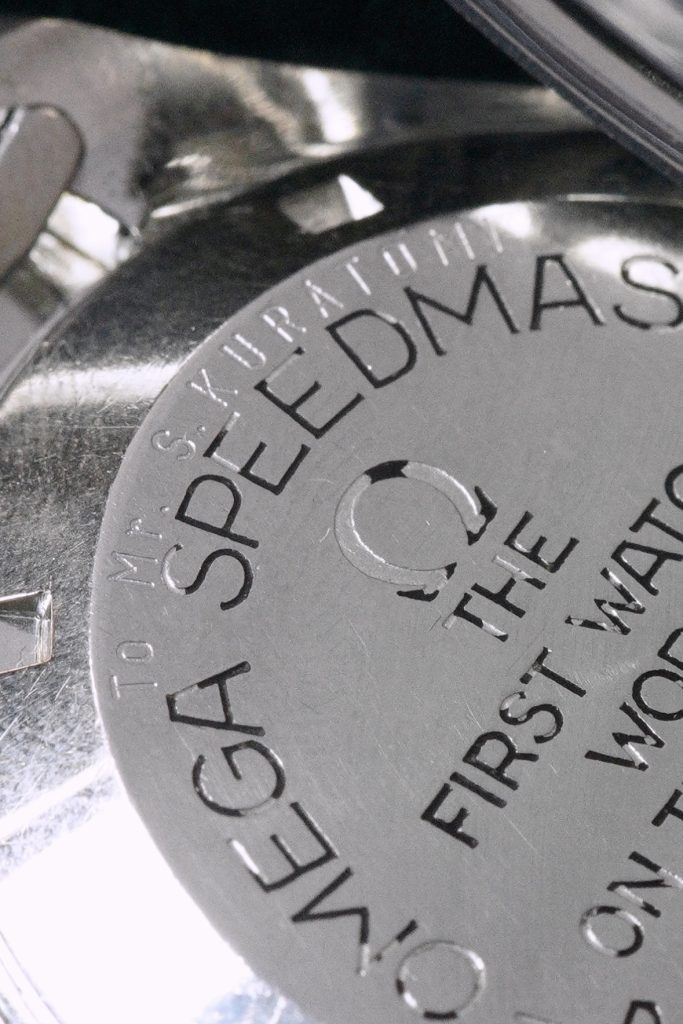
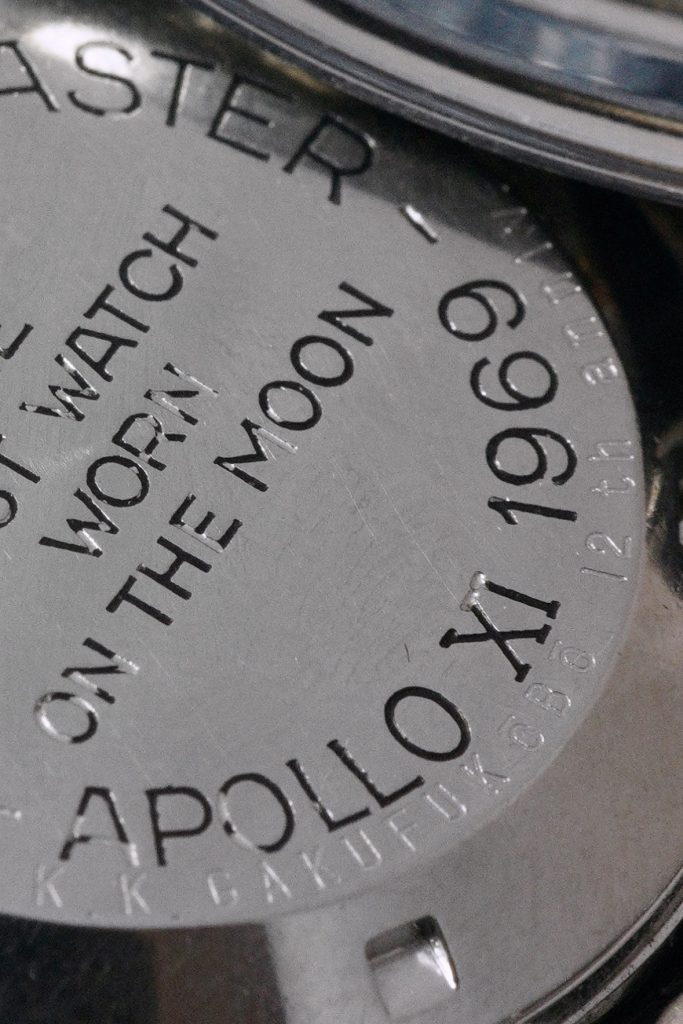
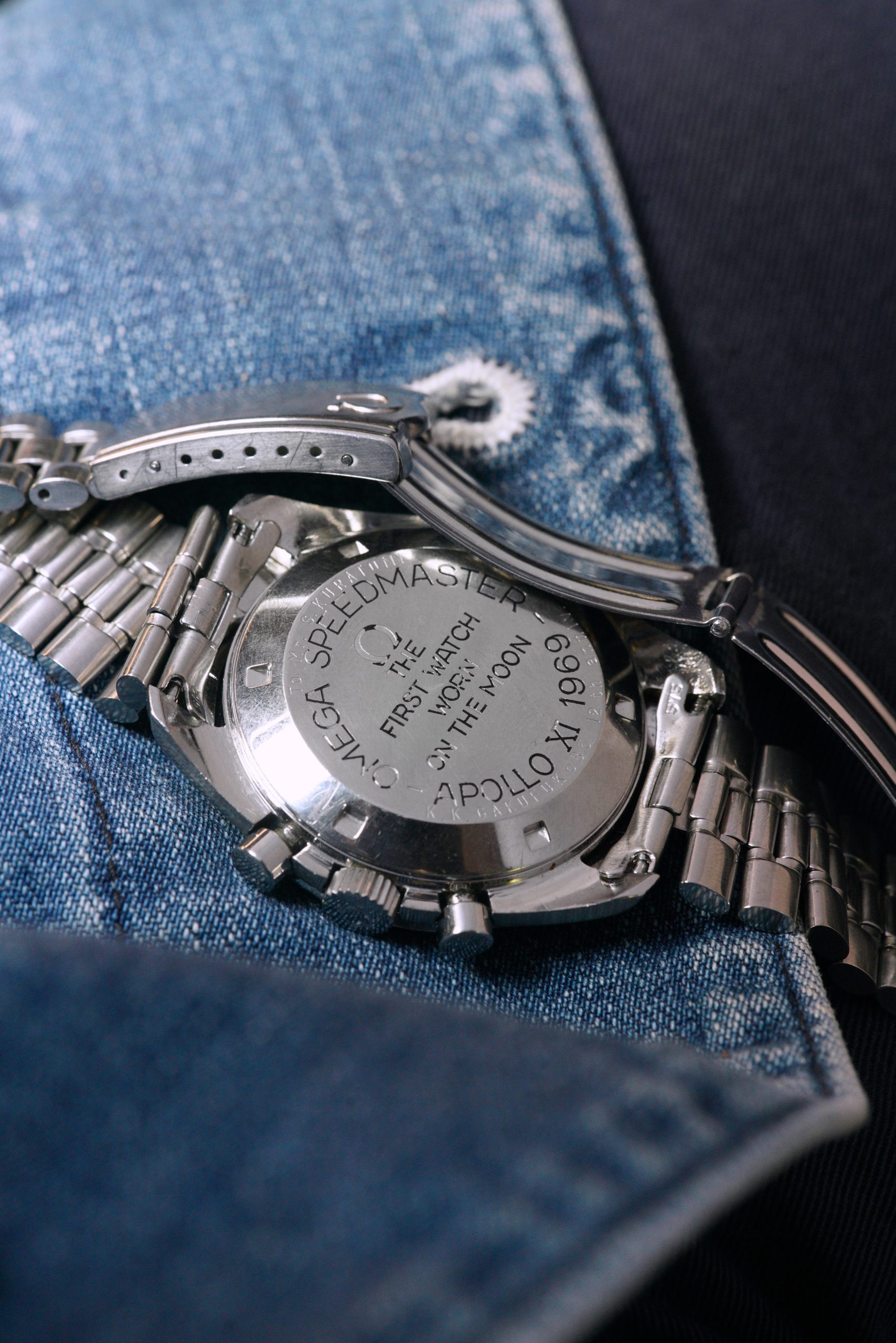
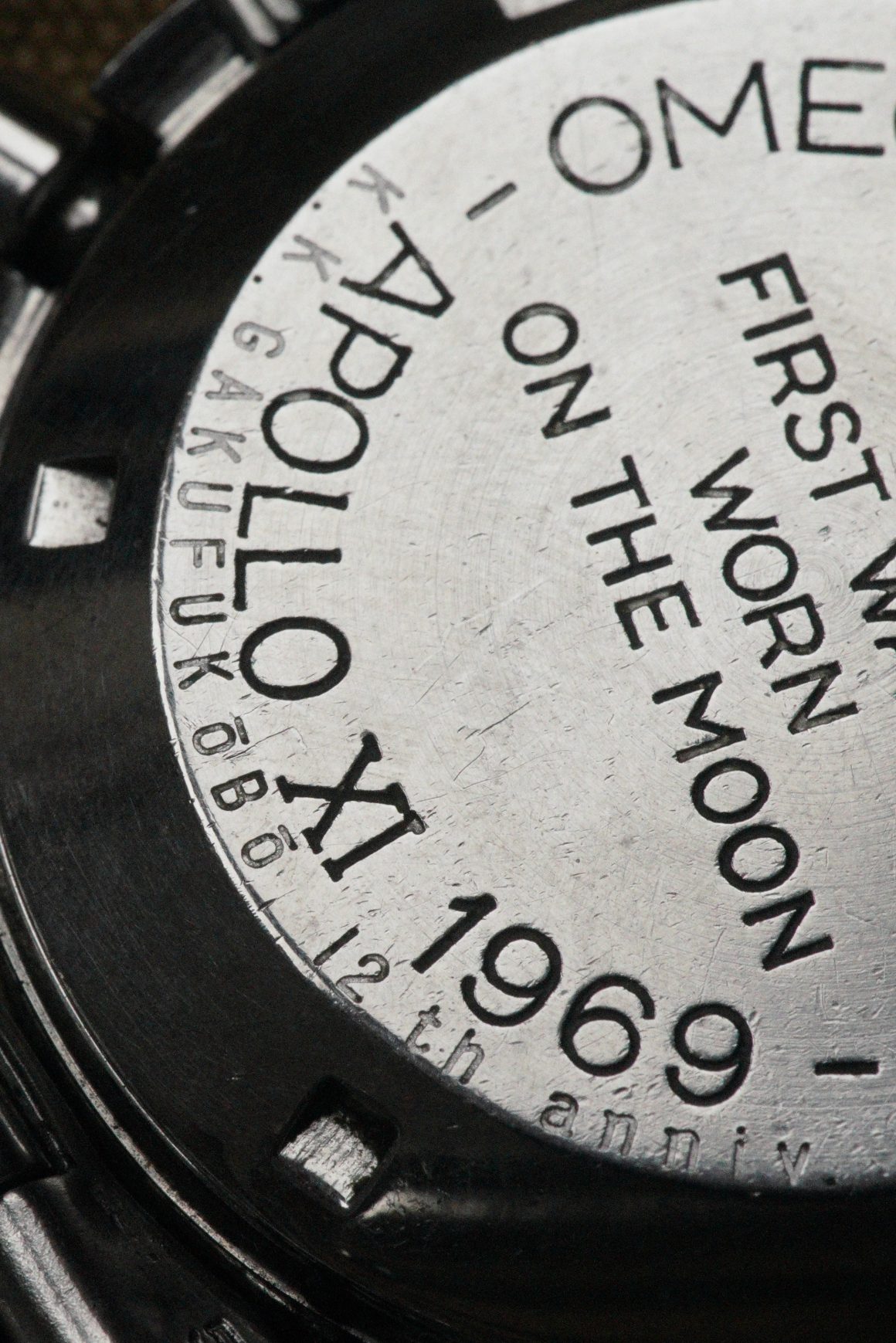
The real heart of this story, however, is the caseback.
We find the already unusual “Straight Writing” Apollo XI 1969 caseback, a variant produced in 1971 and mainly associated with examples destined for the Japanese market.
But on this example, in addition to the original Omega engravings, we find a small dedication added later, on the upper and lower part of the caseback.
And it is this dedication that takes us back to the story of the watch.
Its first owner, Mr. Kuratomi, received this Speedmaster as a gift from an important Japanese record company, Gakufukōbō.
A detail that connects this rare Speedmaster to a Japanese provenance and history.
A few shots of how it was found — dirty and with a scratched crystal.
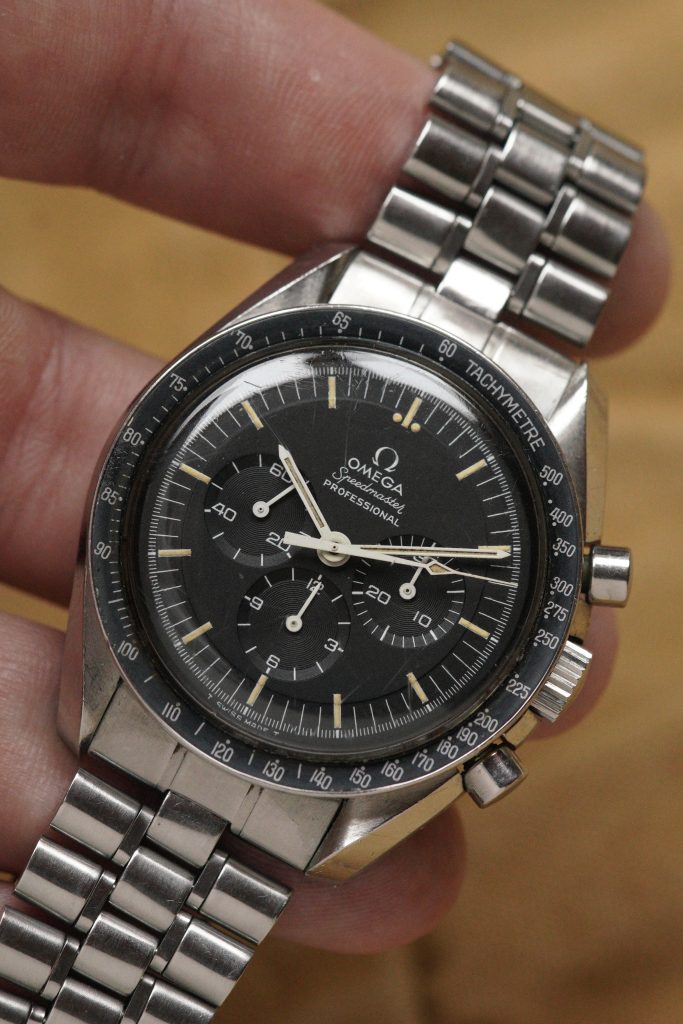
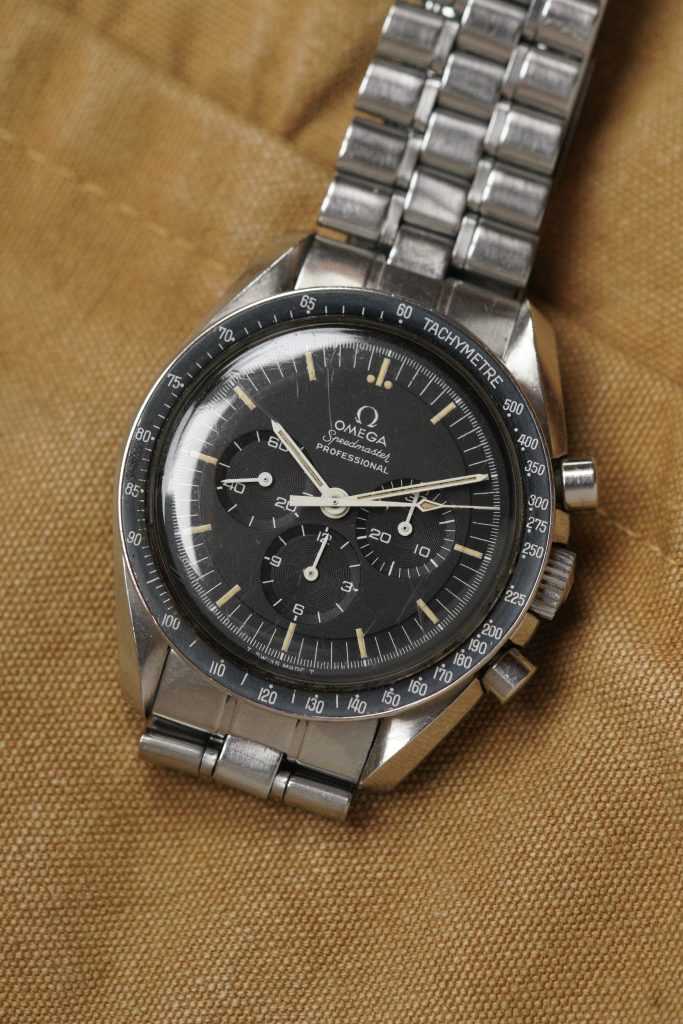
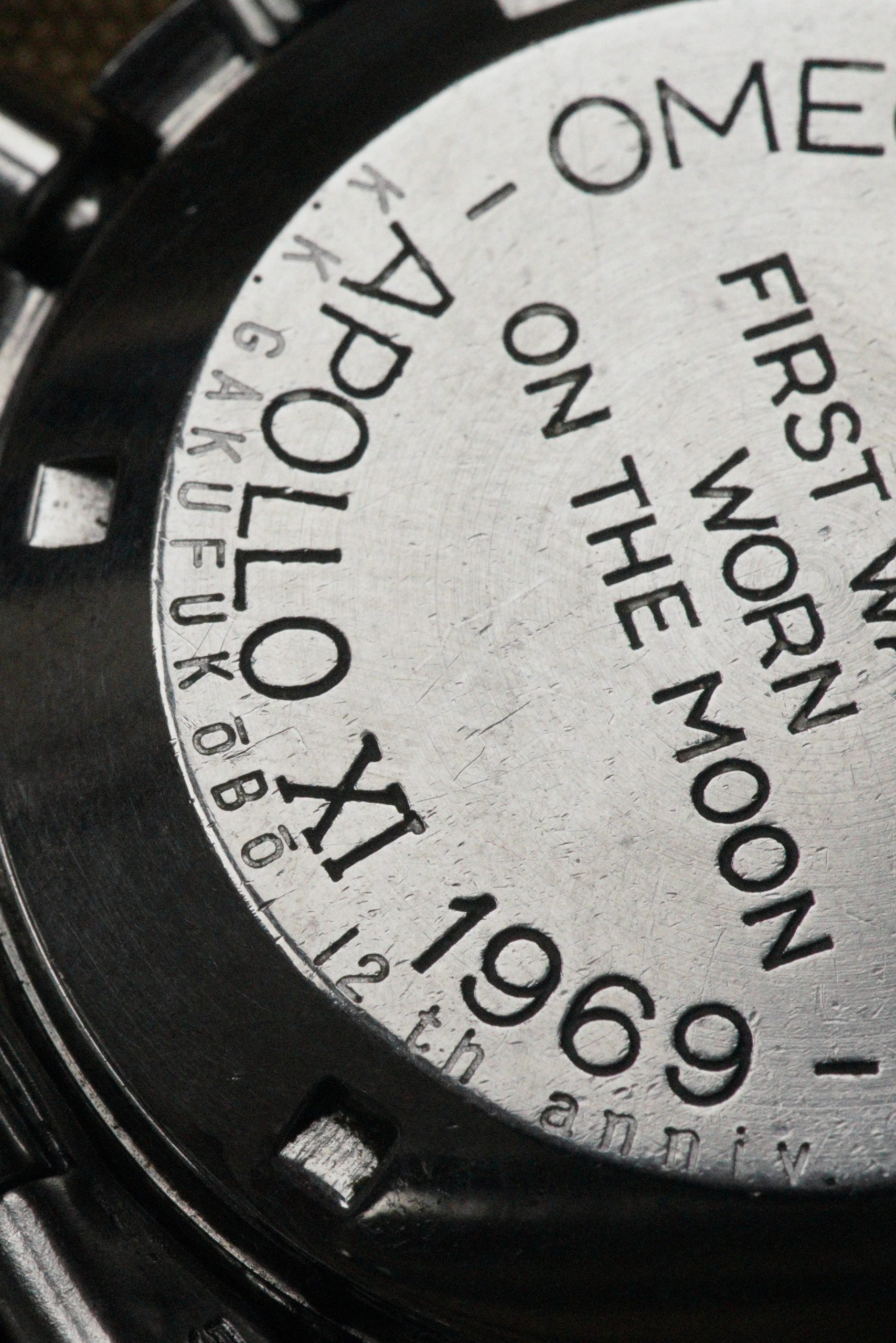
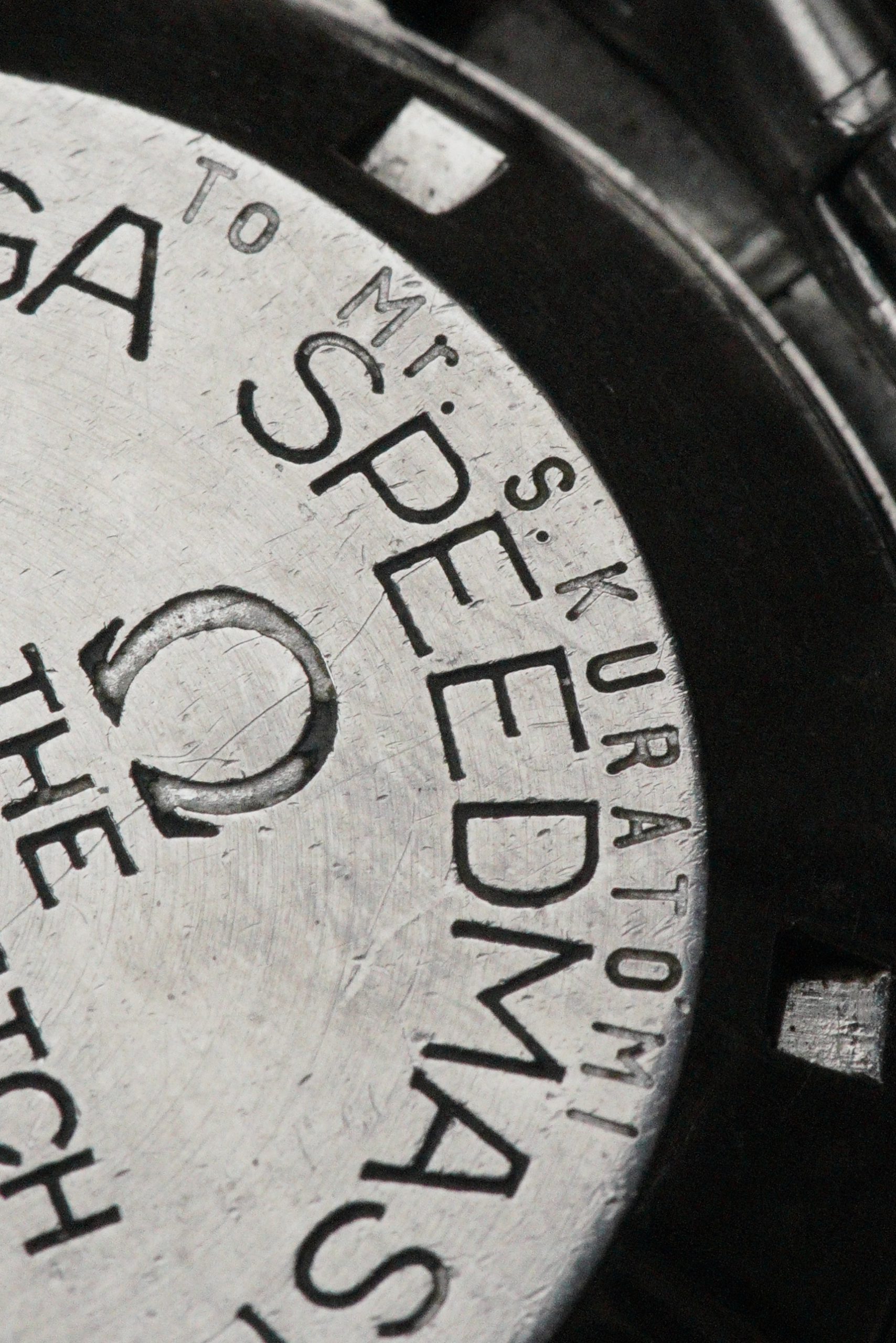
Gakufukōbō was a sheet music workshop and a record company.
K.K. is the abbreviation of Kabushiki Kaisha, meaning “joint-stock company” in Japan.
In the 1960s, the company specialized in printing vinyl records, but the product was not only the record itself: the sheet music included with it was a fundamental part of the package, placing the publication somewhere between music publishing and record production. This created a true “Record + Sheet Music” package.
In those years, sheet music was not printed using computers, but was considered a real form of calligraphic and technical art. People such as S. Kuratomi took handwritten drafts from composers and carefully redrew them with great precision. The engravers of the time were credited on the vinyl records, just as a graphic designer would be today.
During this decade, the activities of K.K. Gakufukōbō (株式会社楽譜工房) and master engraver S. Kuratomi reached their peak, following the technological and cultural evolution of Japan.